
Air purifiers
33 results
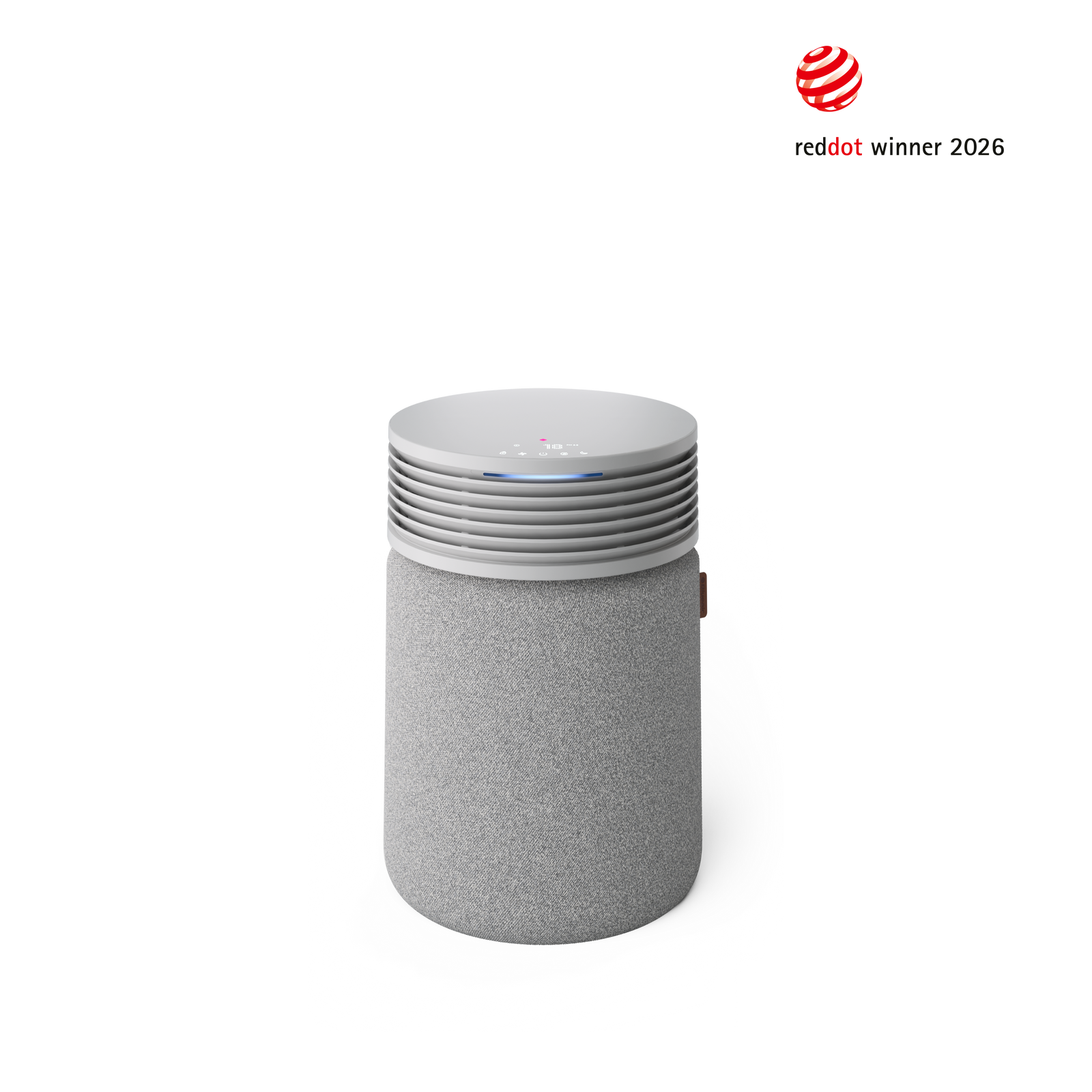
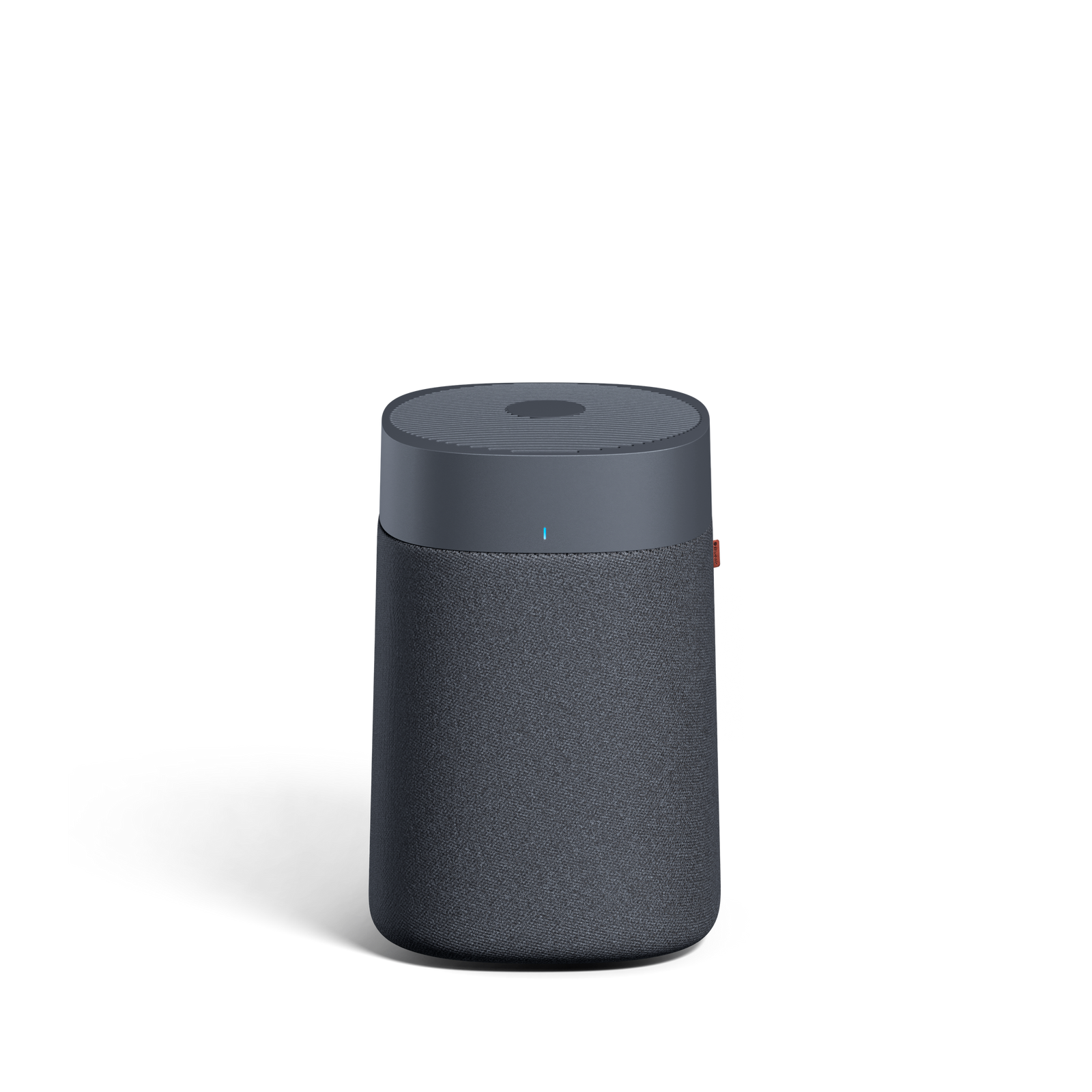
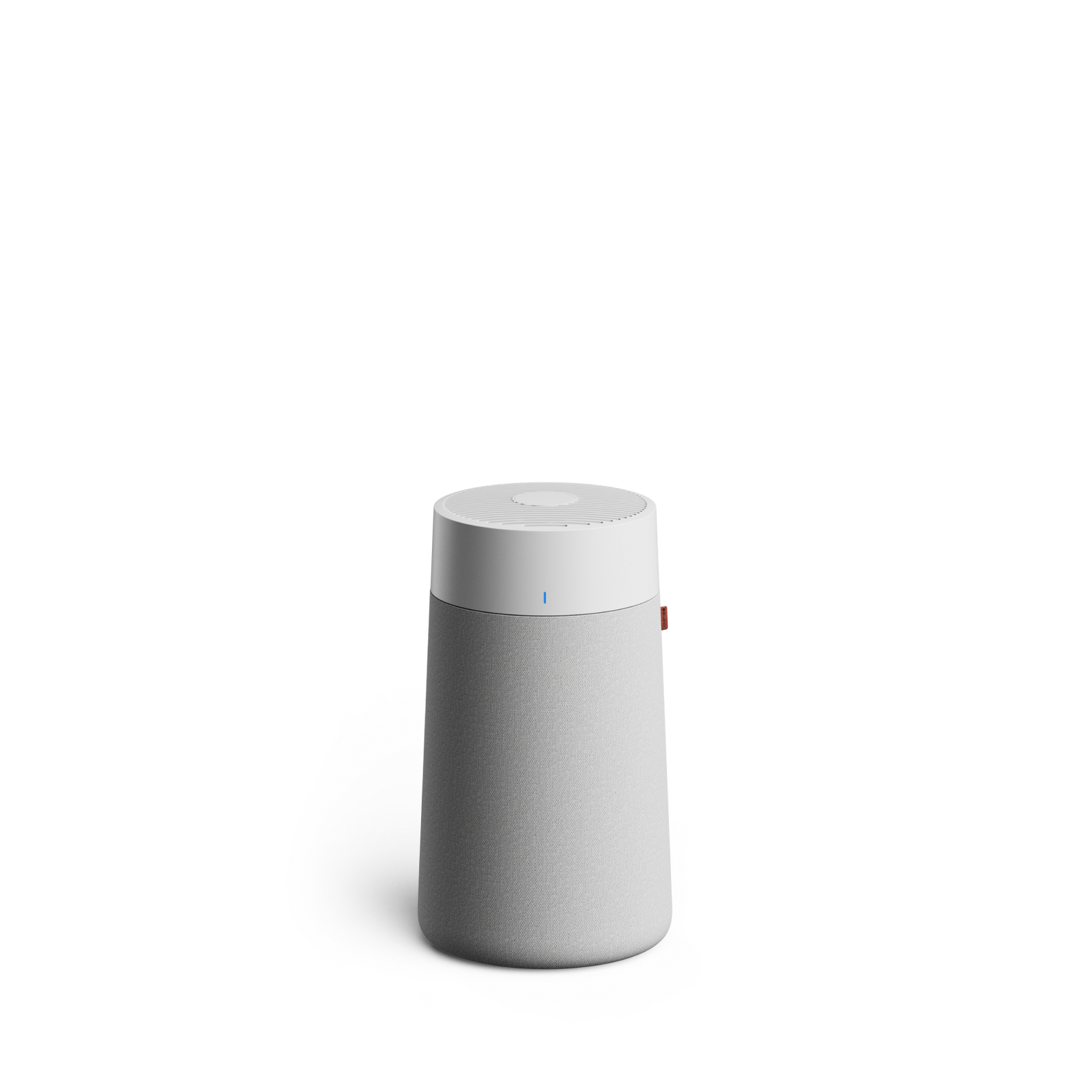
Discover our range of HEPASilent™ technology air purifiers, delivering maximum filtration with minimum noise.

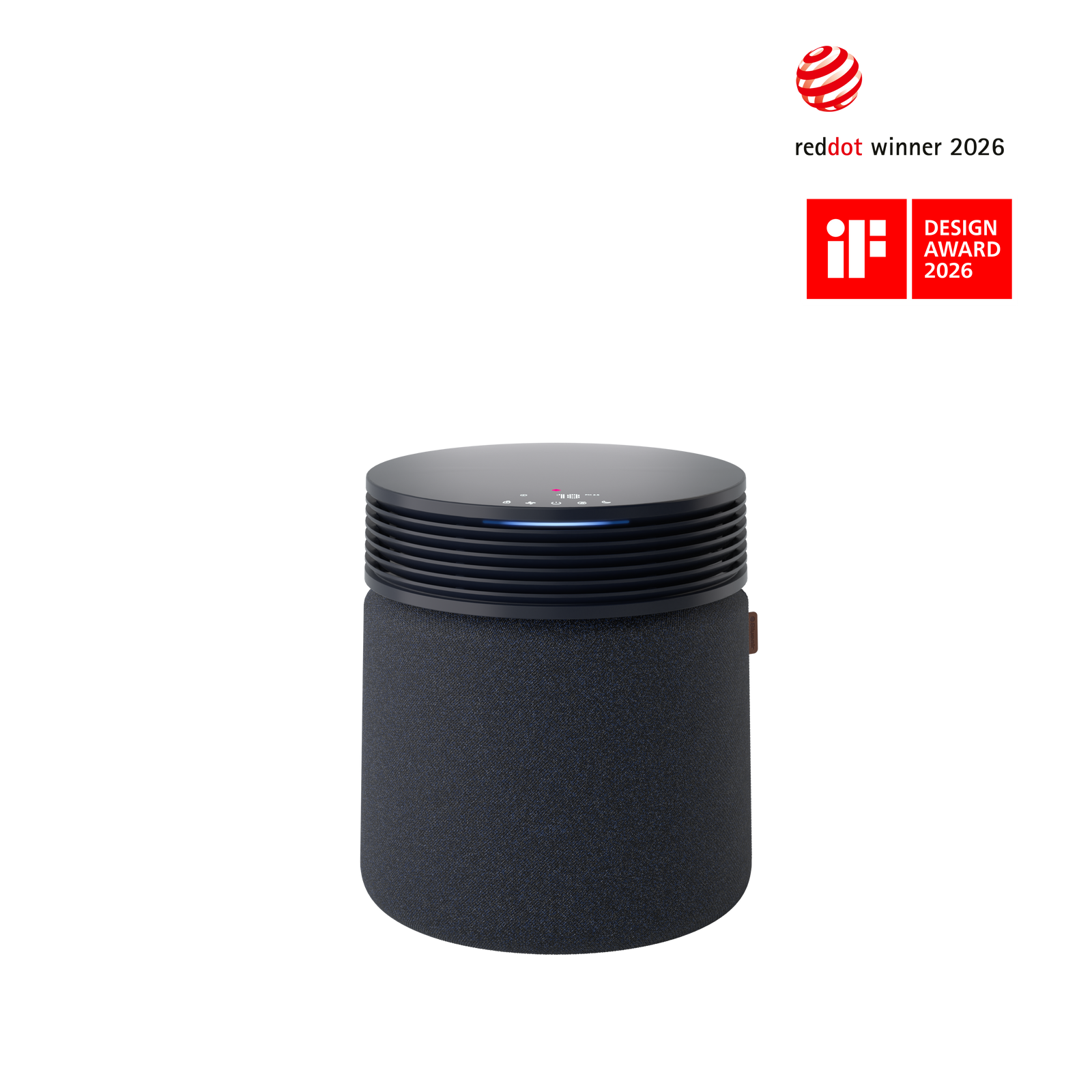
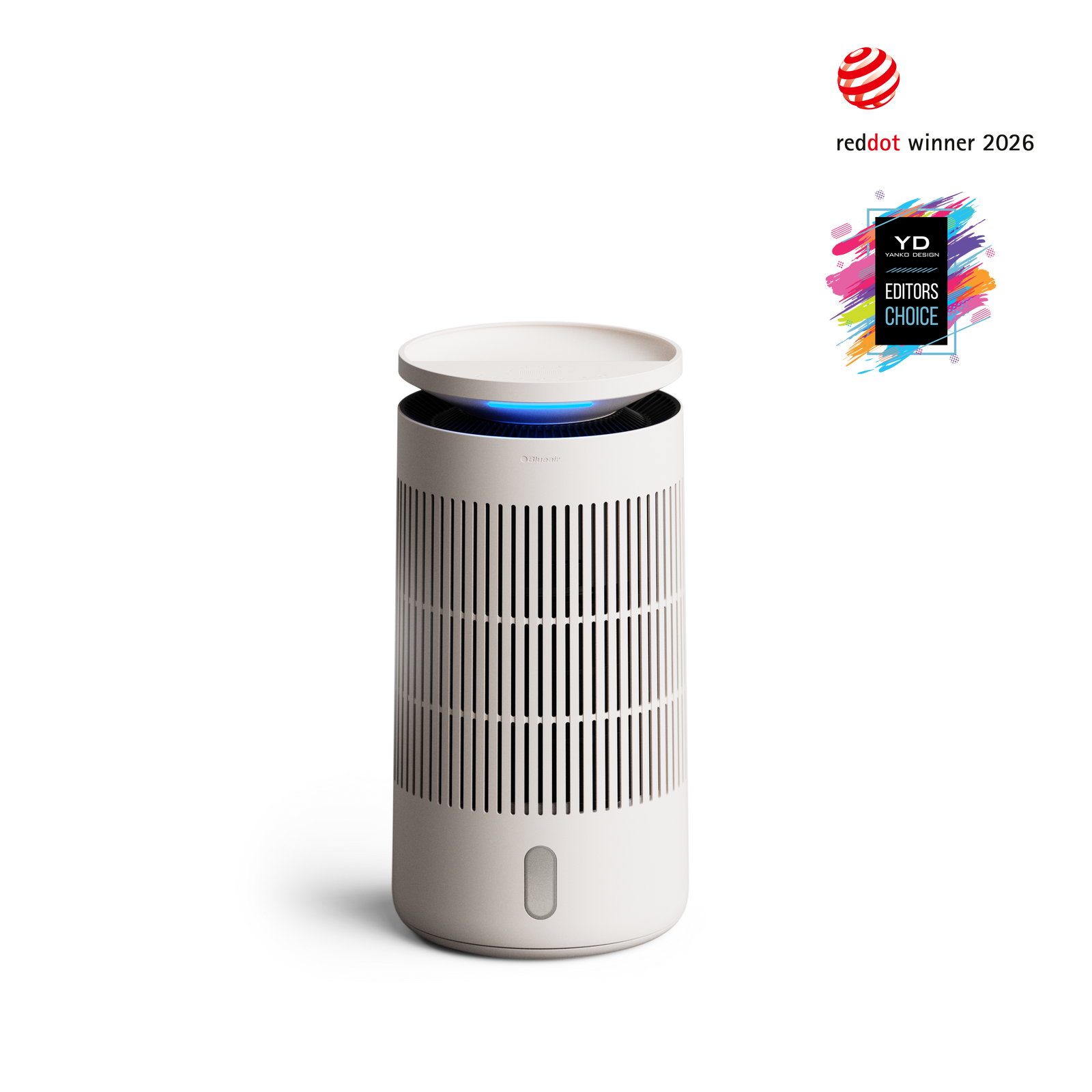
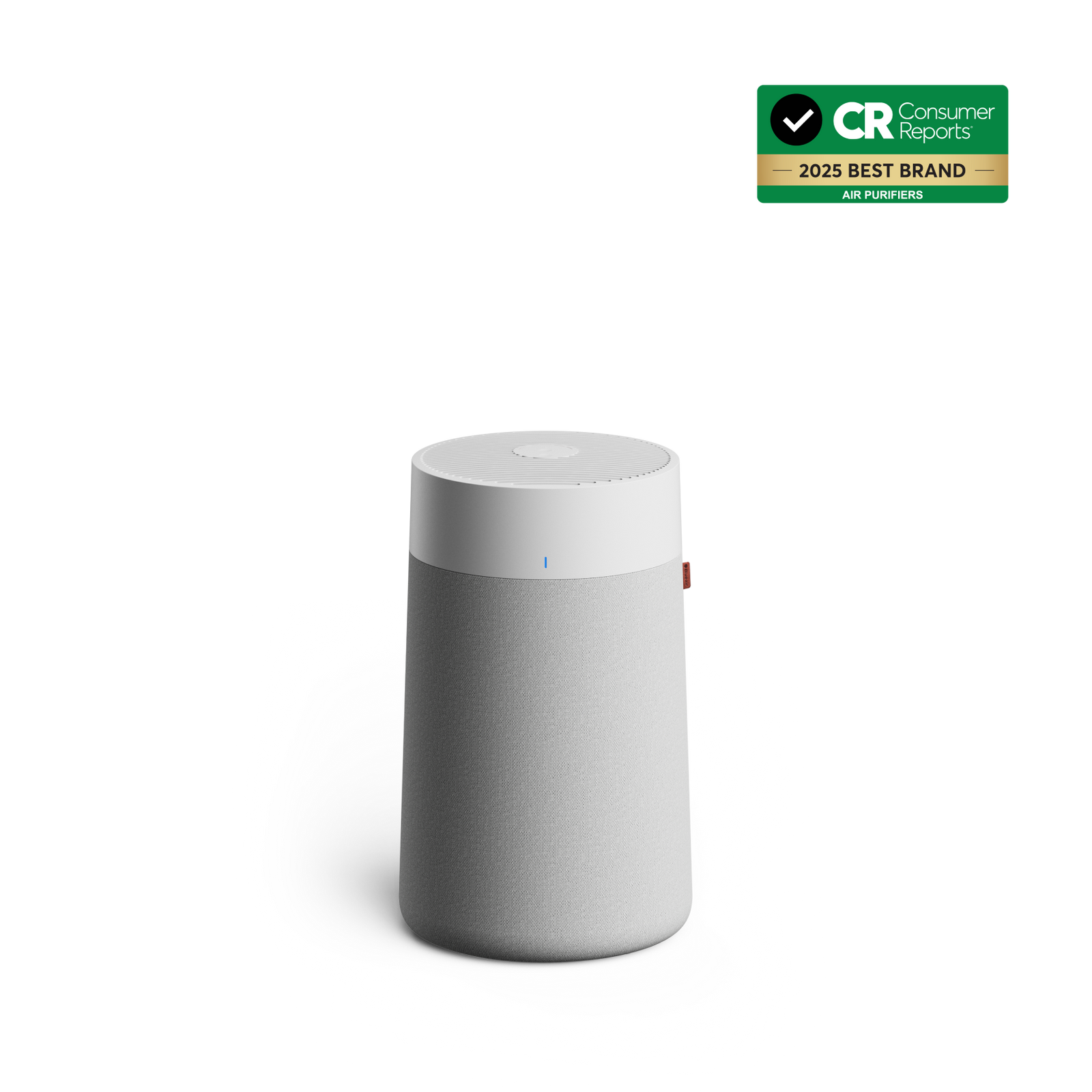
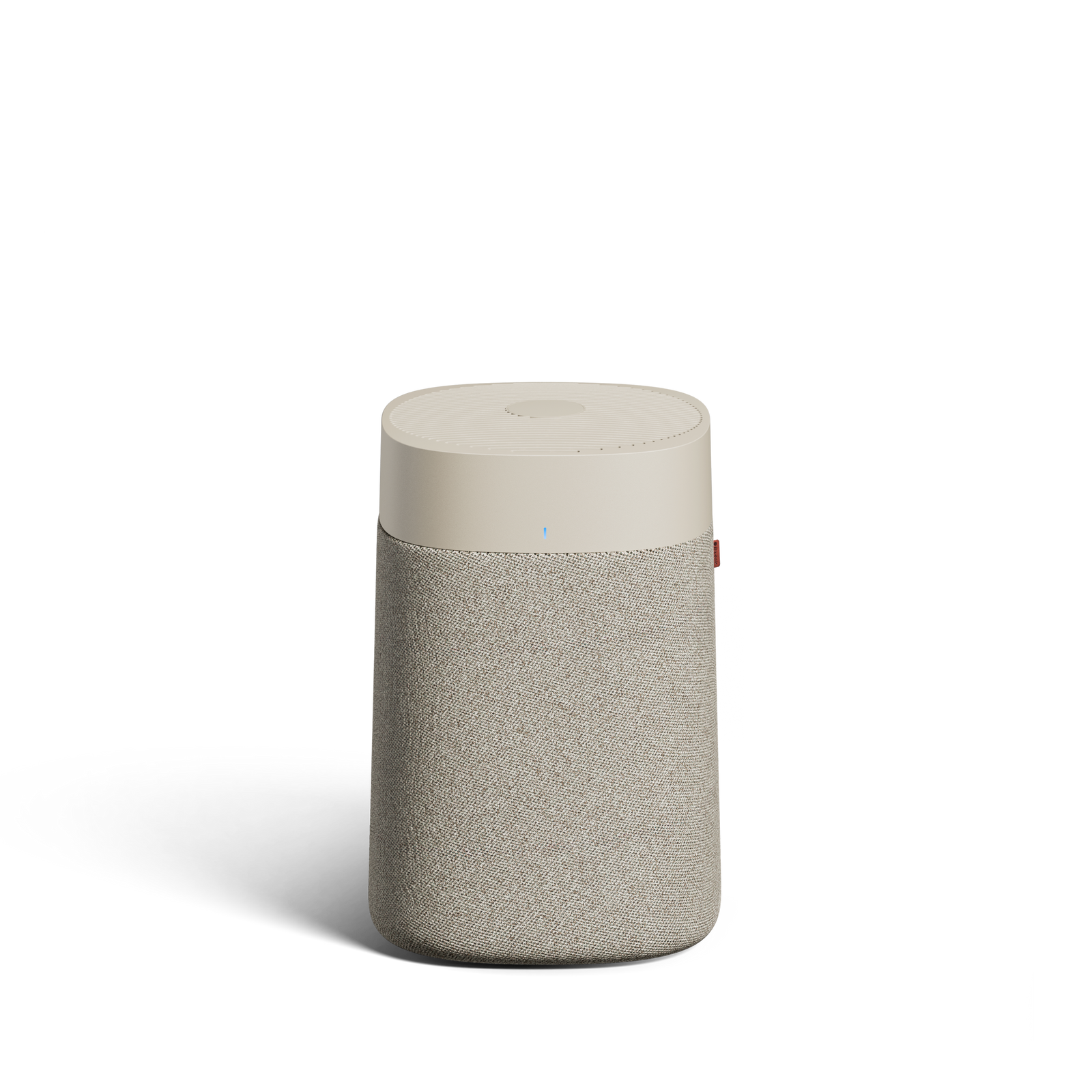
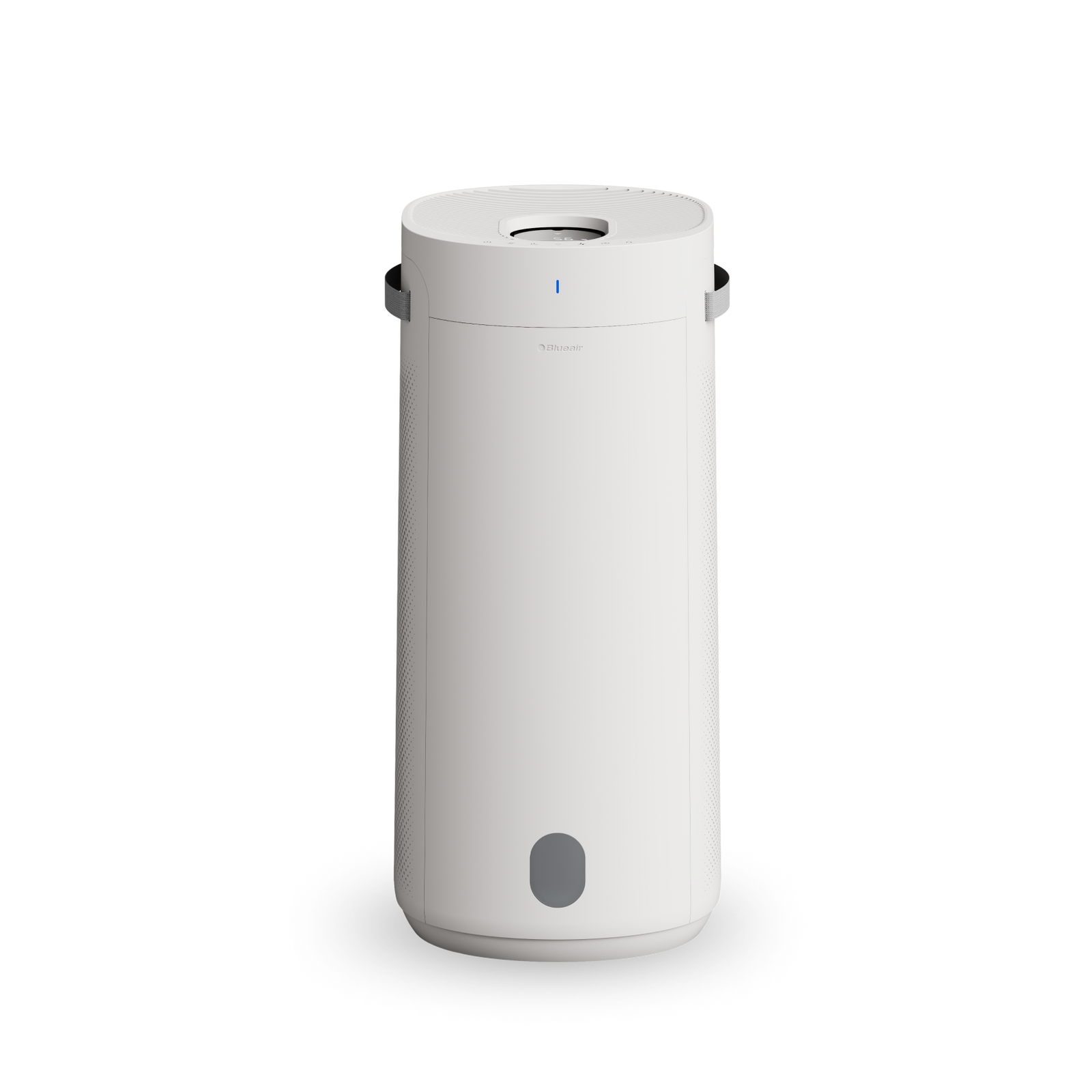
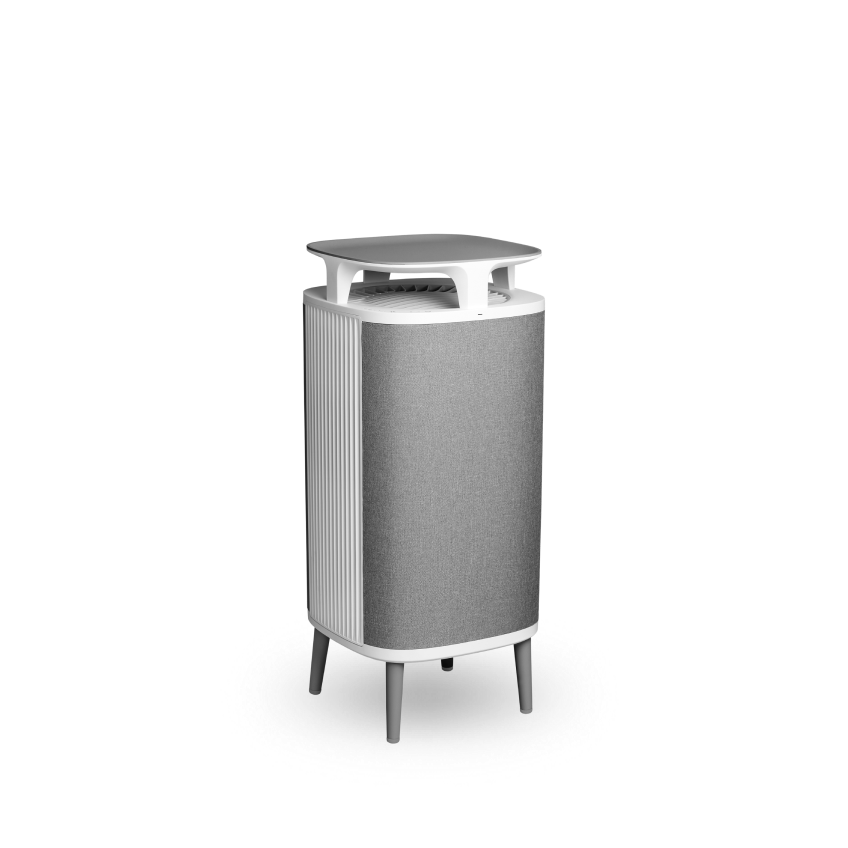
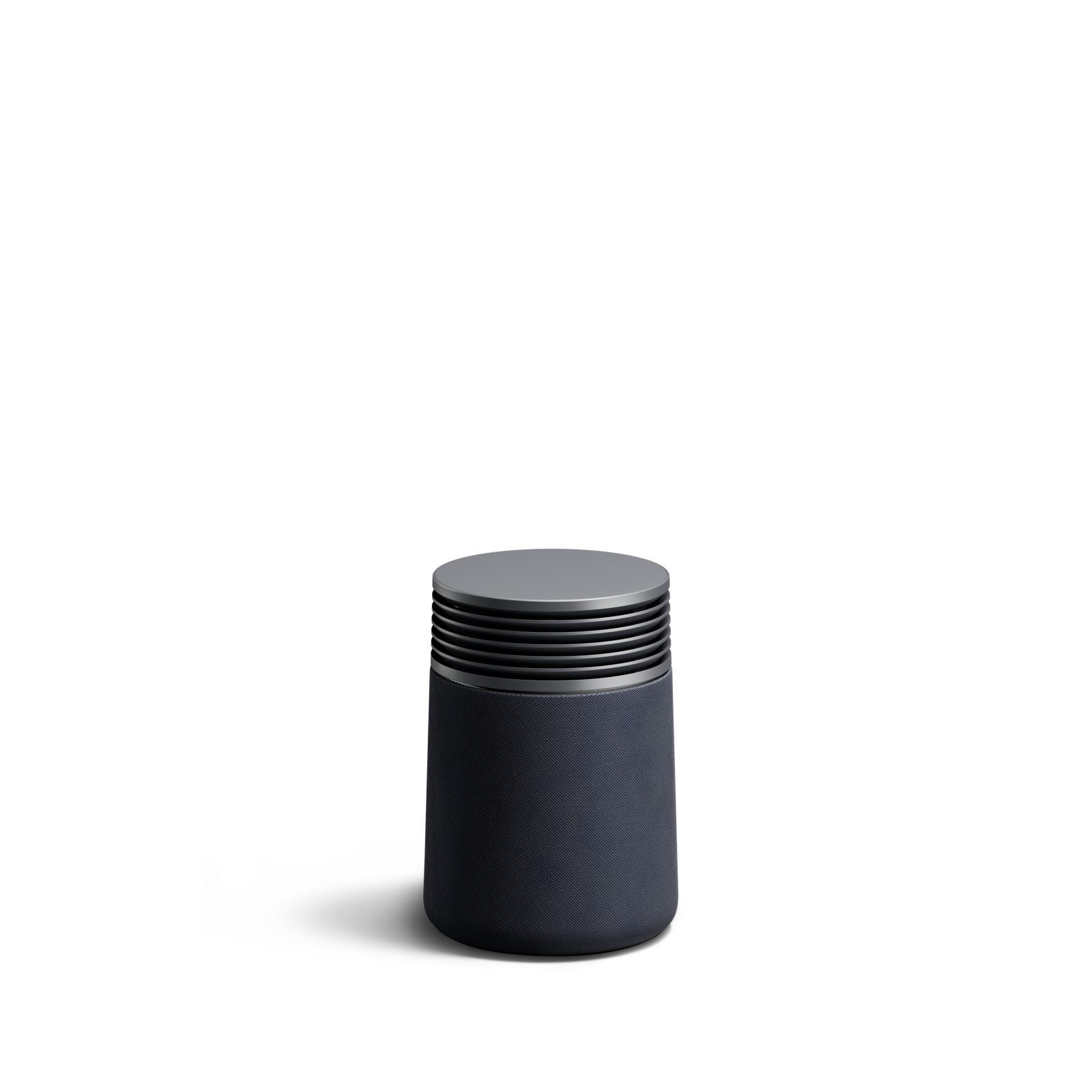
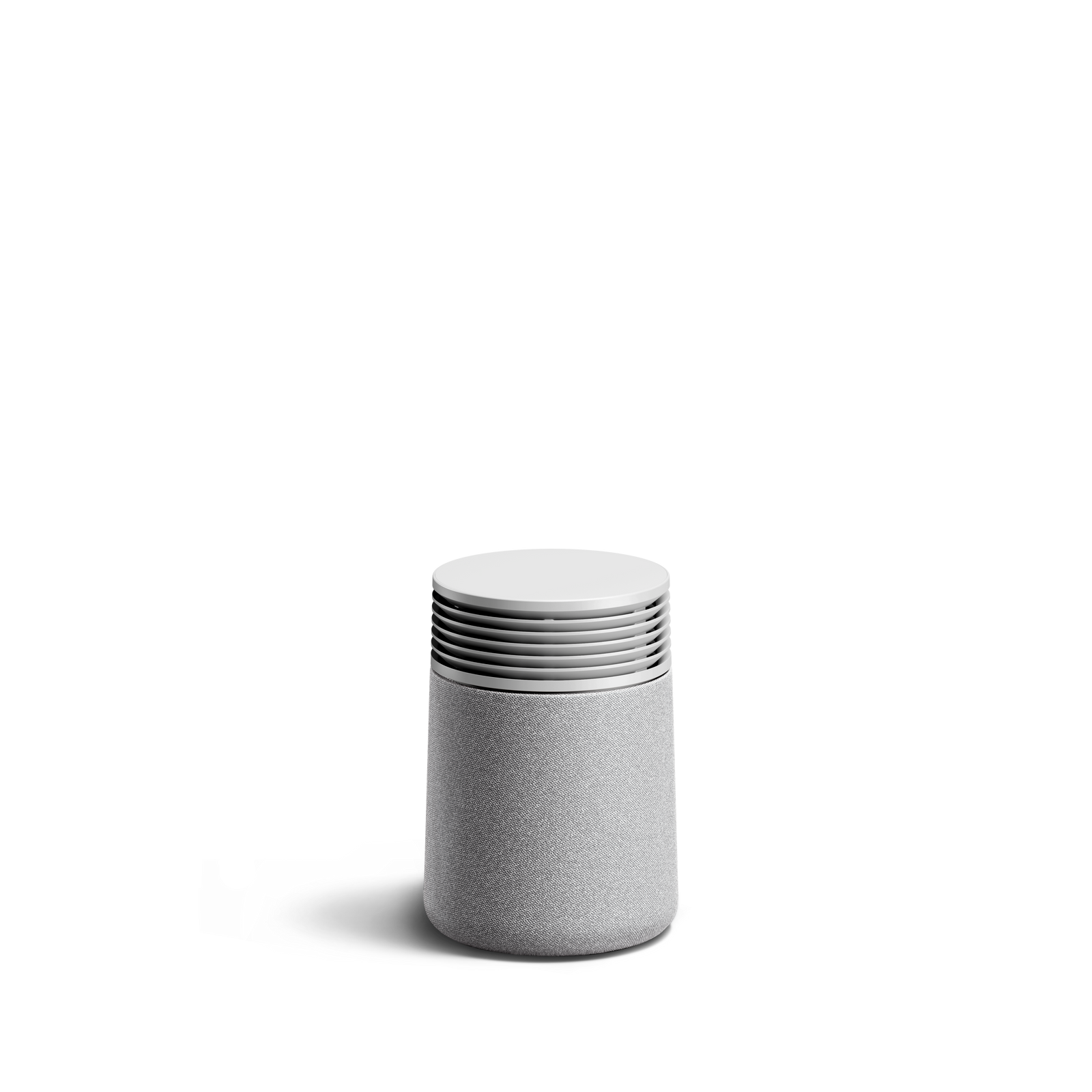

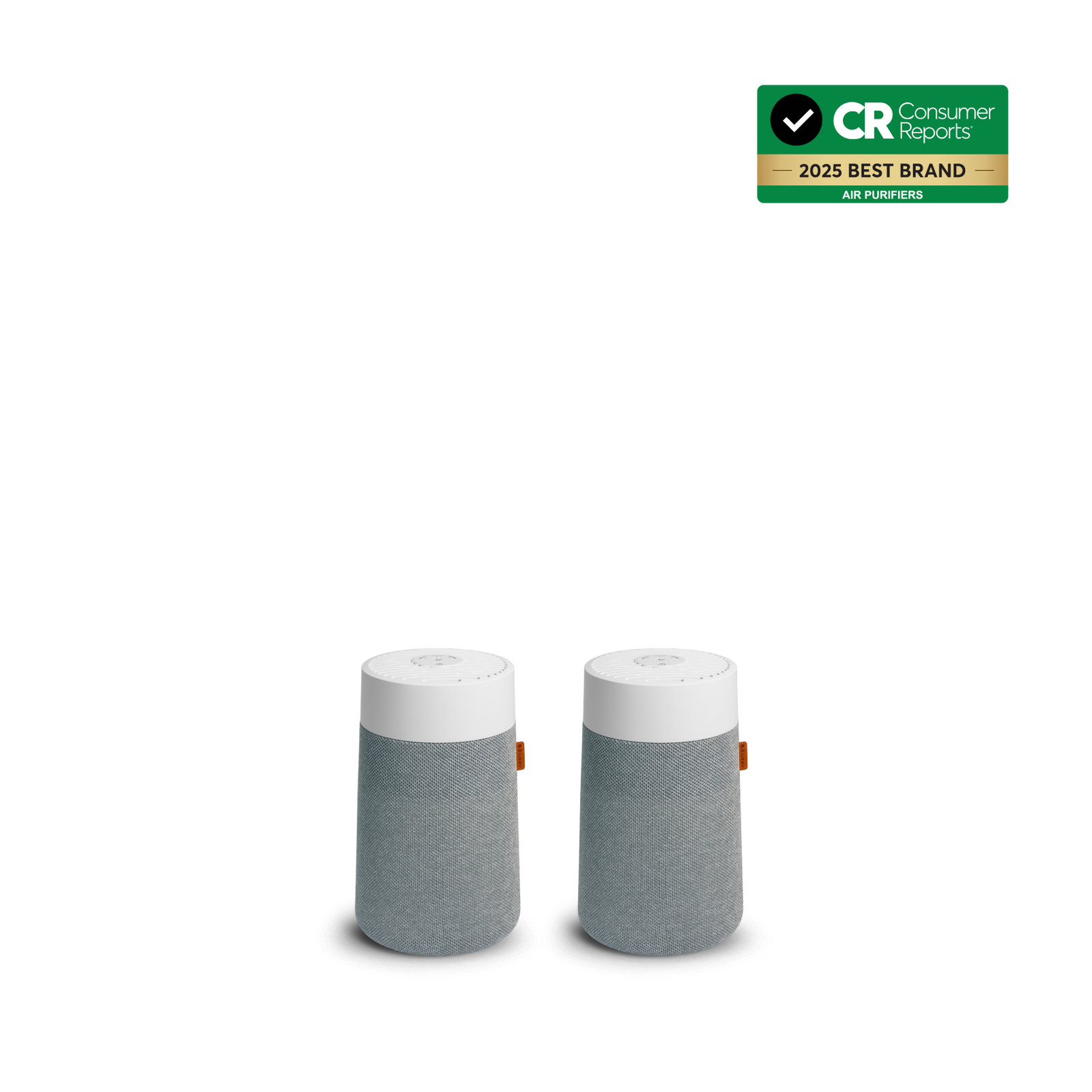
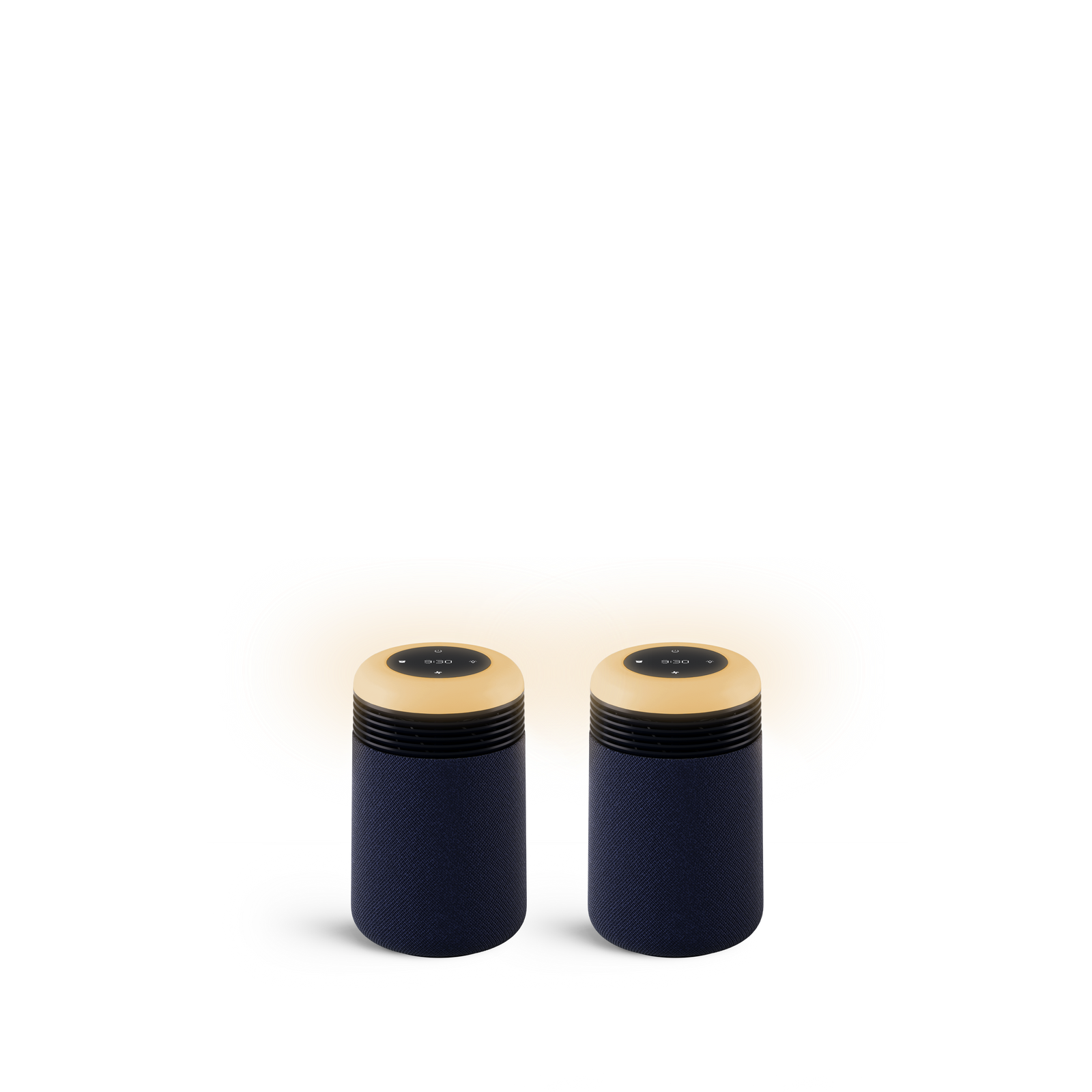
Save 15%
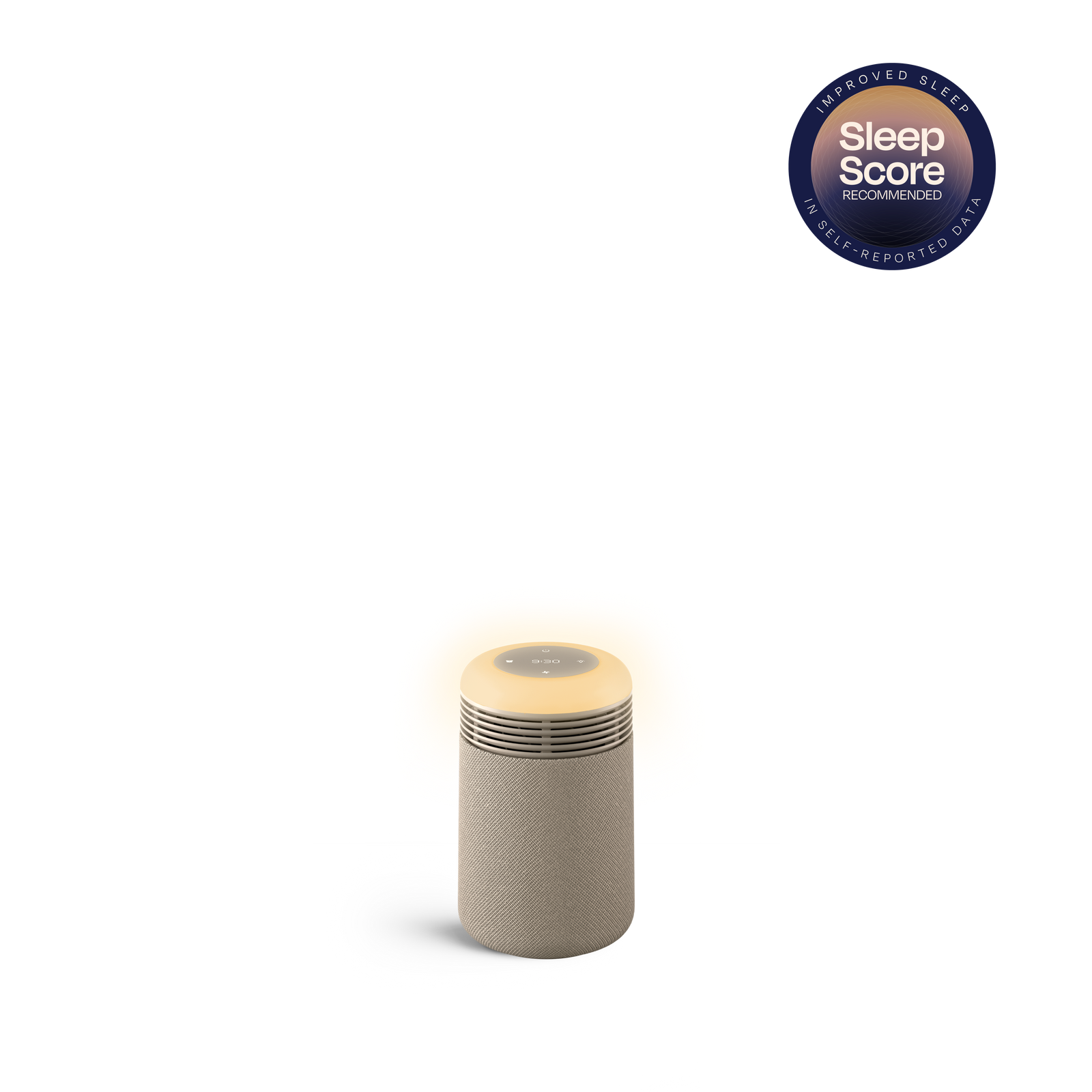
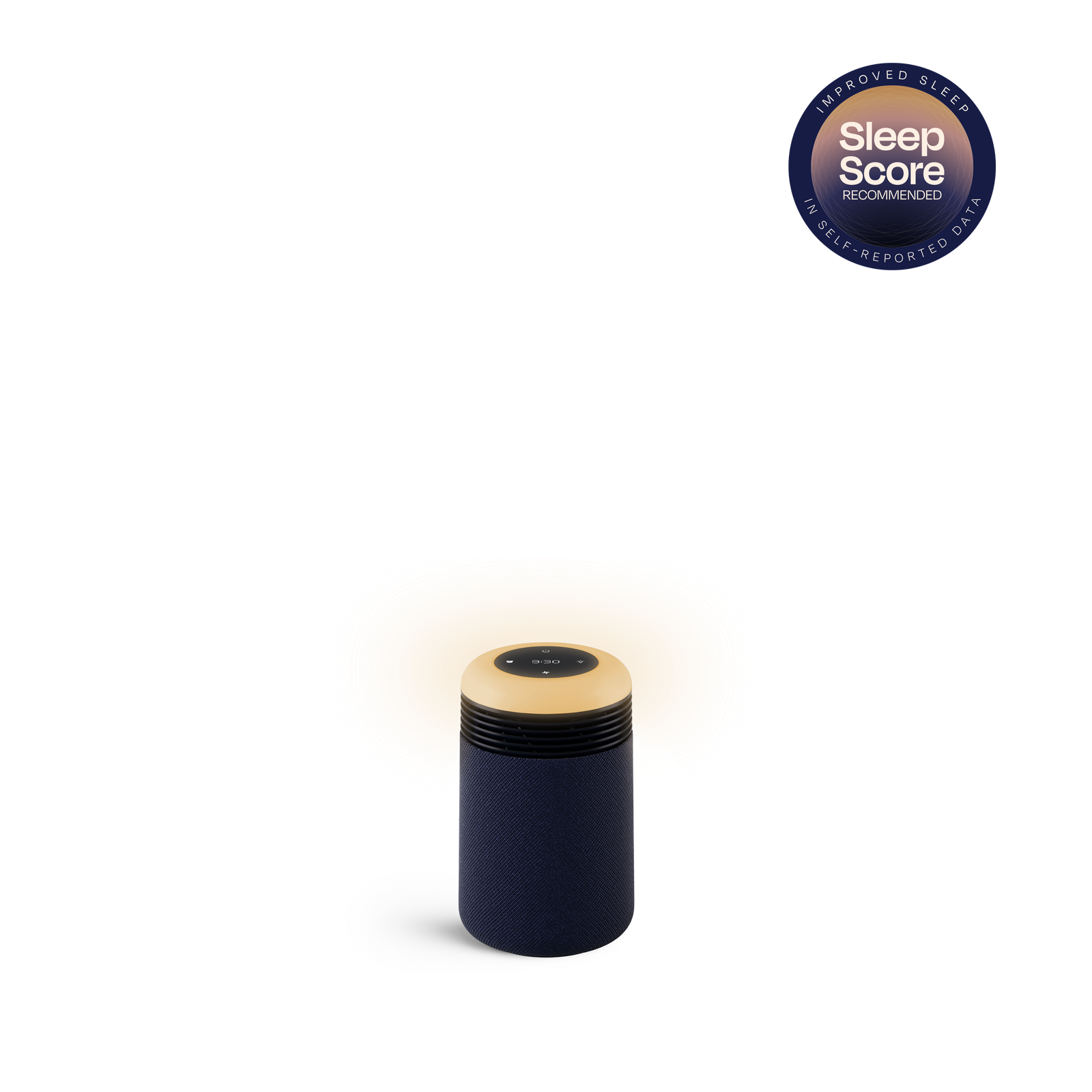
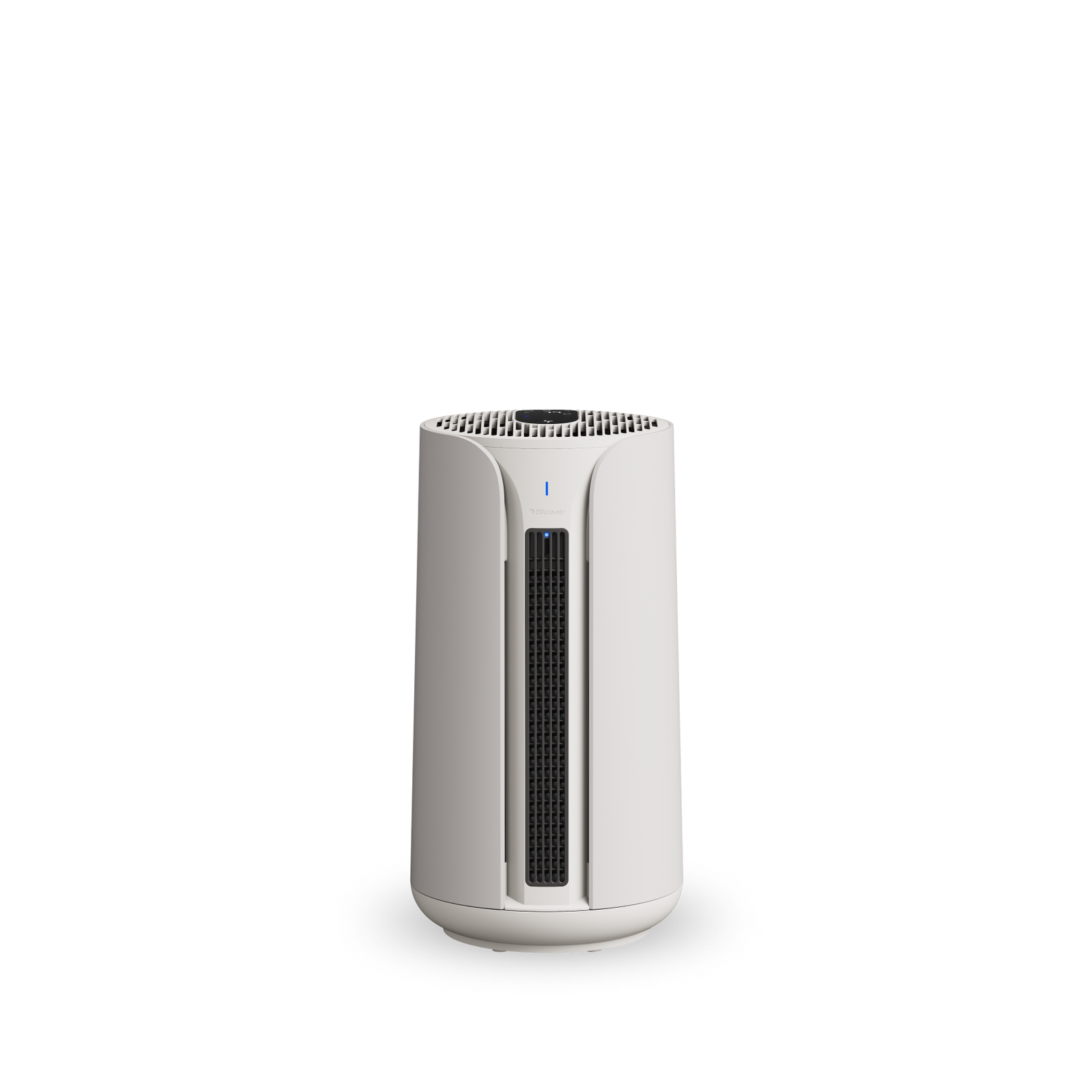
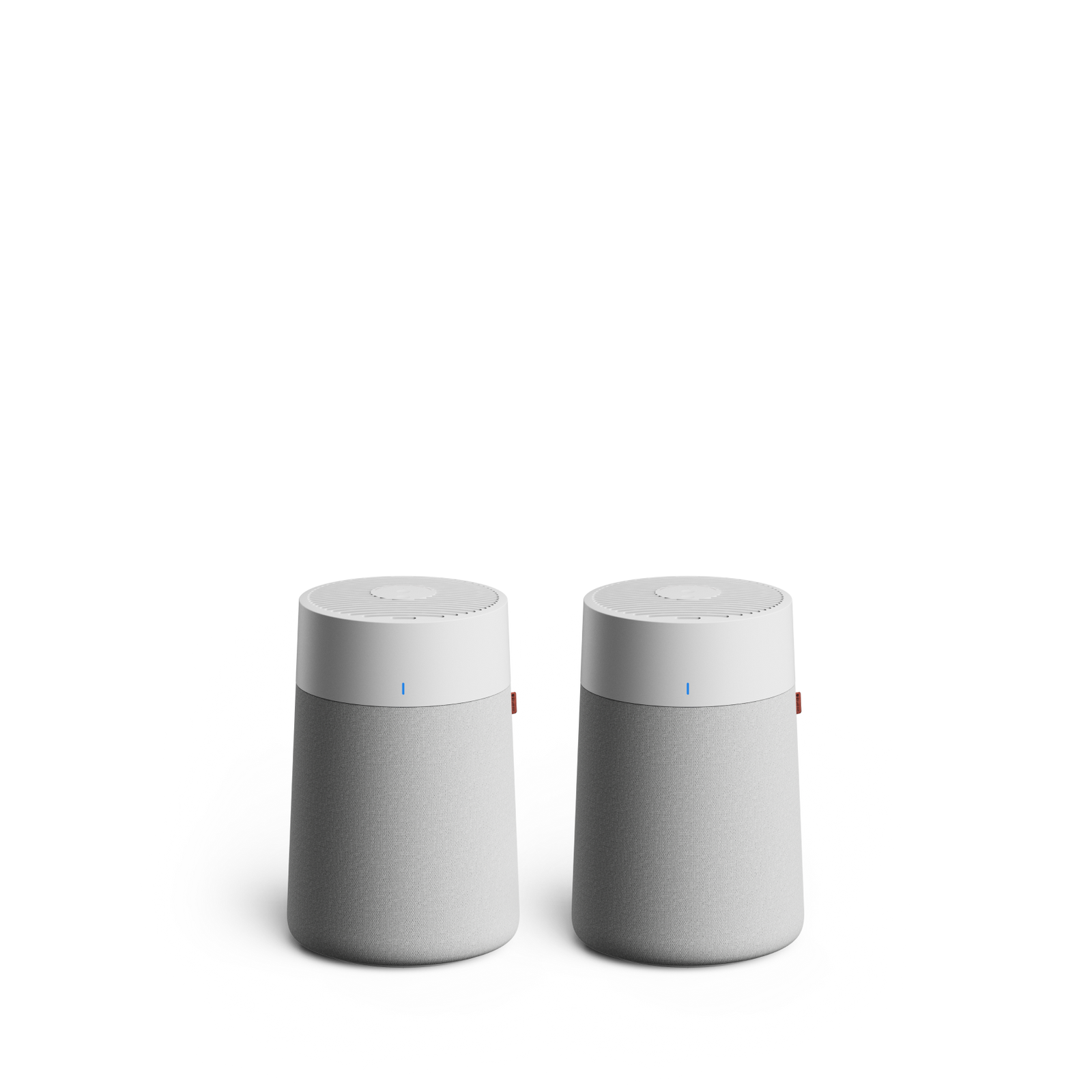
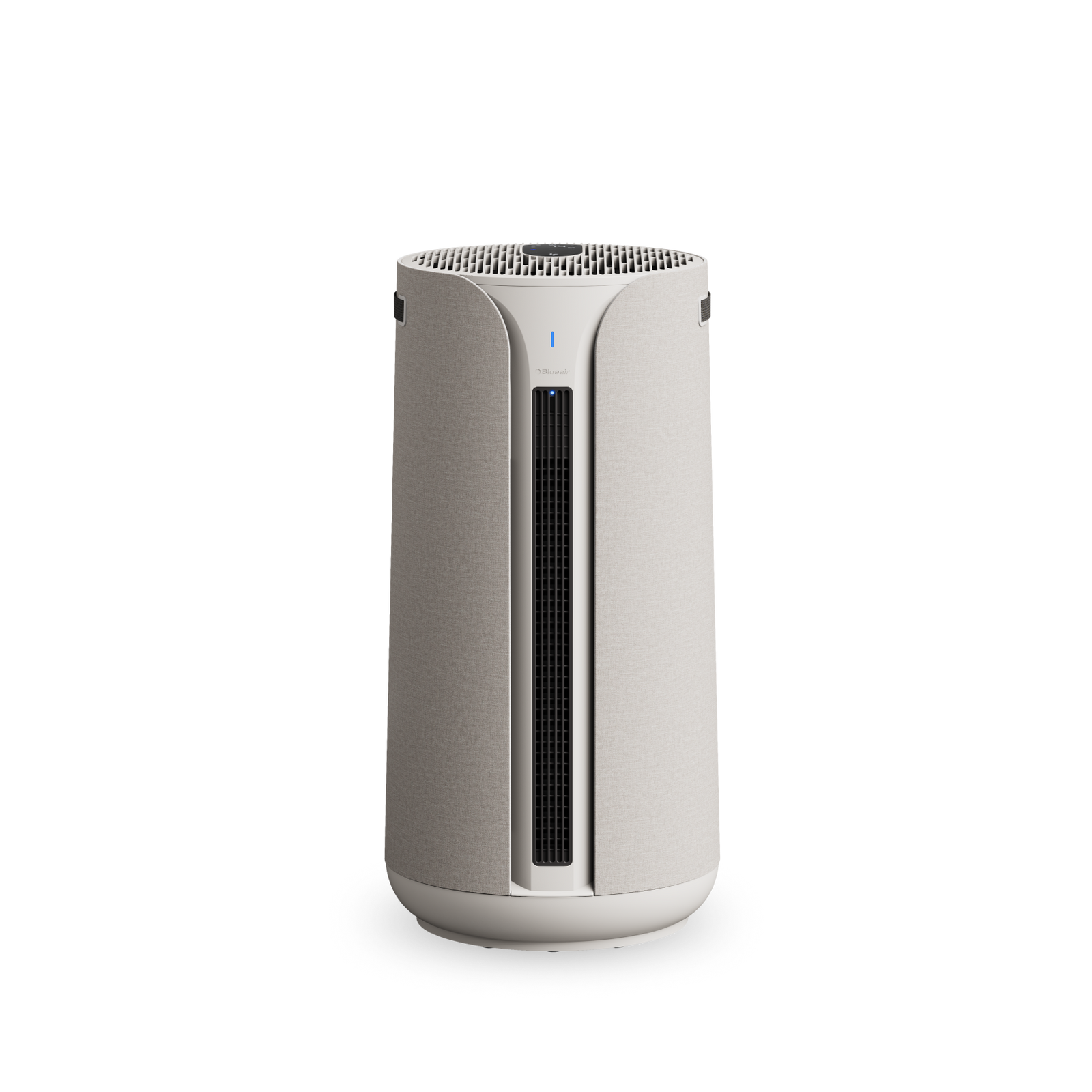
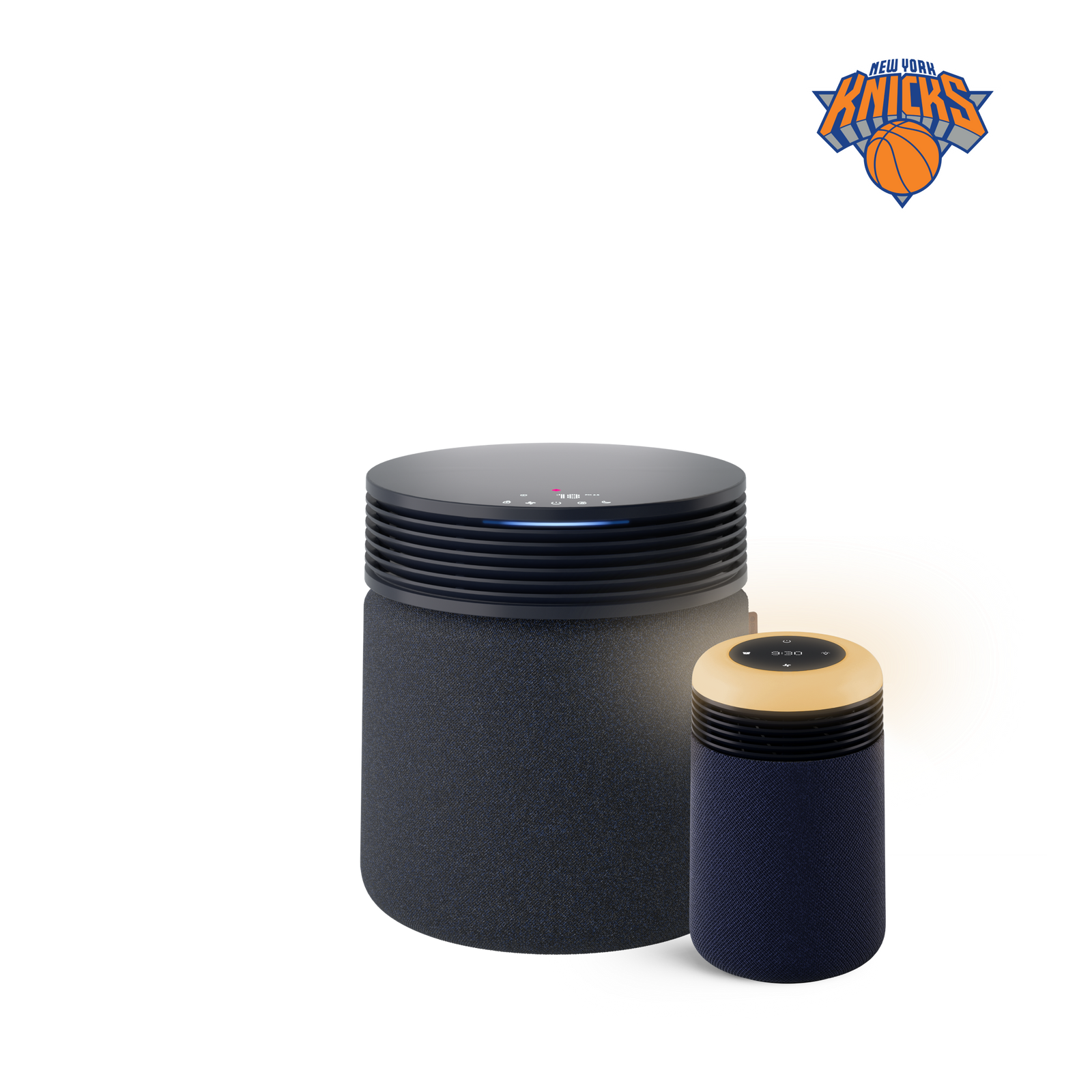
Mini Restful™ Sunrise Clock Air Purifier Bundle
Air Purifier, Sunrise Alarm Clock
Color: Midnight

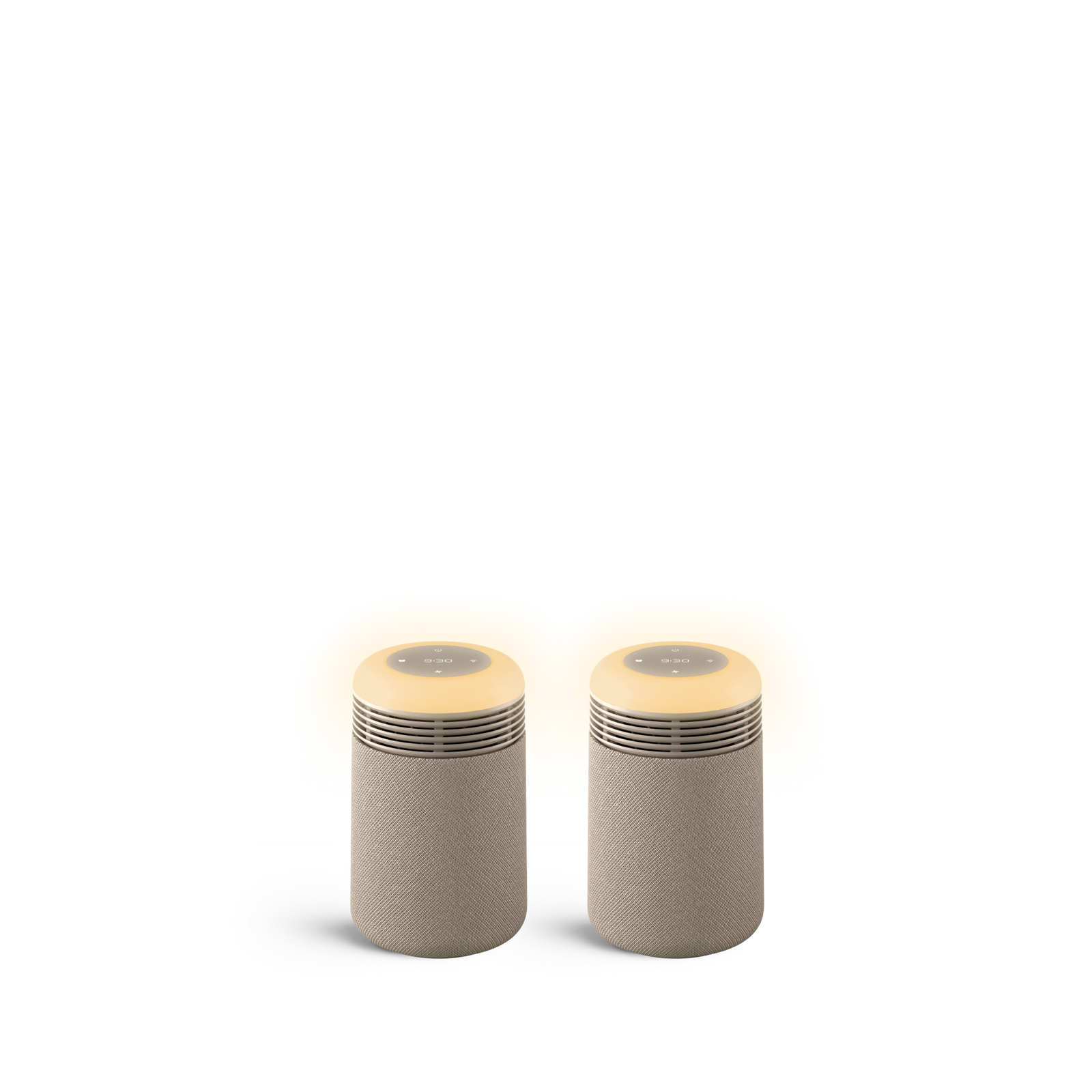
Save 15%
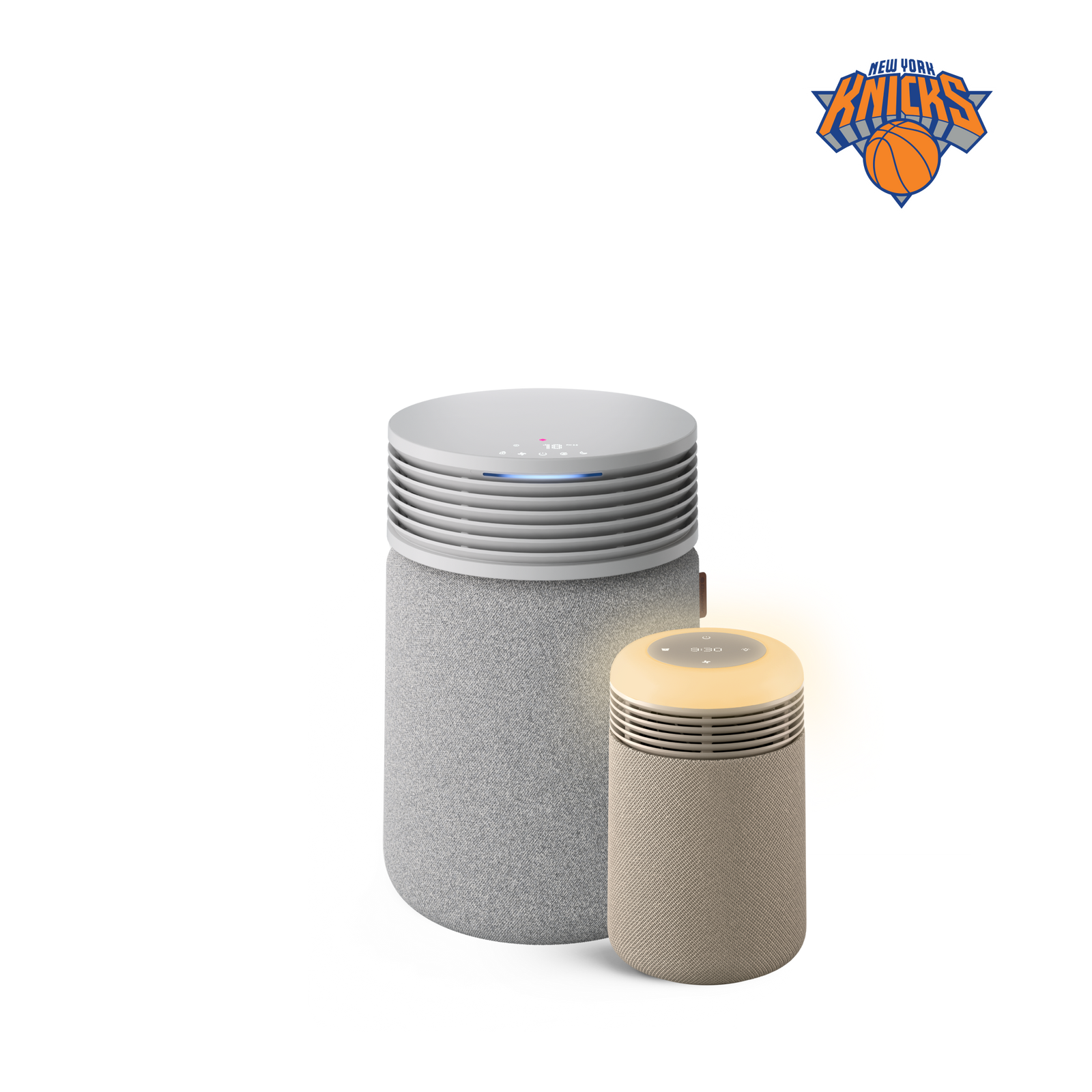
Mini Restful™ Sunrise Clock Air Purifier Bundle
Air Purifier, Sunrise Alarm Clock
Color: Coastal Beige
Frequently asked questions about air purifiers
Are Blueair air purifiers FSA and HSA eligible?
Yes. Blueair air purifiers are FSA and HSA-approved, so you can purchase them using pre-tax health savings account funds. See the FSA/HSA page on our site for details.
How do I know when to replace my Blueair filter?
The Blueair app tracks runtime and air quality data to tell you when replacement is actually needed. Most filters last 6 months under normal use. Filter subscription through Blueair saves 15% and keeps you from running on a clogged filter.
What is the 2-3 rule for air purifiers?
The 2-3 rule refers to the number of air changes per hour a purifier should achieve in your room. Two to three complete air changes per hour is the standard recommendation for allergy and asthma sufferers. To calculate whether a purifier meets this for your room: multiply your room’s square footage by your ceiling height to get cubic feet, then check whether the purifier’s CADR supports 2–3 full cycles per hour. Blueair product pages include room coverage based on this standard.
Is there a downside to using an air purifier?
The main costs are electricity and replacement filters. Blueair models are designed to be energy-efficient — most use less power than a standard light bulb on low settings. Filter replacement costs vary by model, typically ranging from $30 to $100 per year, depending on the unit and how often you run it. The Blueair app alerts you when filters actually need changing rather than on a fixed schedule, which helps avoid replacing them too early.
Do air purifiers help with pulmonary fibrosis?
Avoiding airborne irritants is often part of managing pulmonary fibrosis. Dust, mold spores, and fine particles can aggravate symptoms, and a HEPA-grade air purifier running in the main living spaces and the bedroom can reduce exposure to these. As with any respiratory condition, speak with your pulmonologist about what’s right for your specific case.
Would an air purifier help with COPD?
Reducing airborne irritants, such as dust, smoke, fine particles, and pollutants, is generally recommended for people with COPD. An air purifier won’t treat the condition, but it can lower the concentration of triggers in the home. Consult your doctor about which filtration level is appropriate for your situation.
Is it okay to sleep with an air purifier on all night?
Yes, and for most people with allergies or sensitivities, running it all night is the better approach. Blueair bedroom models run quietly enough (under 30 dB on low) that they don’t disrupt sleep. There’s no health risk from leaving a quality air purifier running overnight.
Do air purifiers help with sleep apnea?
Air purifiers don’t treat sleep apnea directly; that’s a structural and neurological issue that requires medical evaluation. What they can do is reduce airborne allergens and irritants that cause nasal congestion, which can worsen sleep apnea symptoms. Cleaner air means less obstruction from inflammation, which some sleep apnea patients find helpful alongside their primary treatment.
Is it possible to live with a cat if you are allergic?
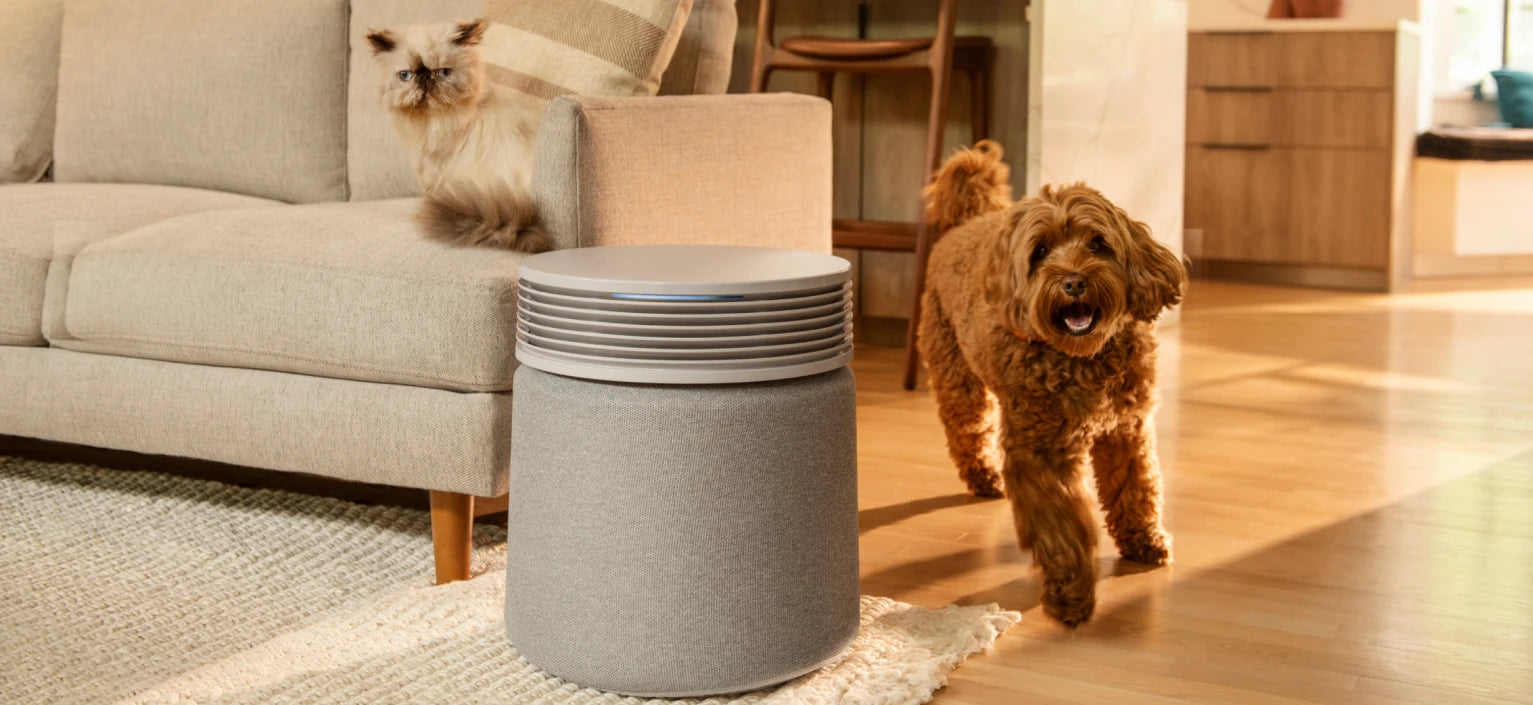
Many people do. The most effective strategies combine regular cleaning (vacuuming with a HEPA vacuum, washing bedding frequently), keeping the cat out of the bedroom, and running a high-quality air purifier continuously in the rooms the cat uses most.
Do air purifiers work for cat allergies?
They help substantially. Cat allergens (Fel d 1 protein) bind to fine airborne particles that can stay suspended in the air for hours. A HEPA-grade air purifier running in the rooms where your cat spends the most time, especially the bedroom, reduces the airborne concentration of these particles. It won’t eliminate the allergen entirely, but most people with cat allergies notice a meaningful difference. See Blueair’s air purifiers for allergies for models optimized for pet households.
Is there an air purifier that actually works?
Yes. Air purifiers with true HEPA or HEPASilent filters capture particles as small as 0.1 microns, including dust, pollen, pet dander, smoke, and many airborne bacteria. Consumer Reports lab testing confirms that the best-performing models can reduce airborne particles significantly within an hour in a properly sized room. The key is matching the purifier’s CADR to your room size and running it continuously.
What air purifier does Consumer Reports recommend?
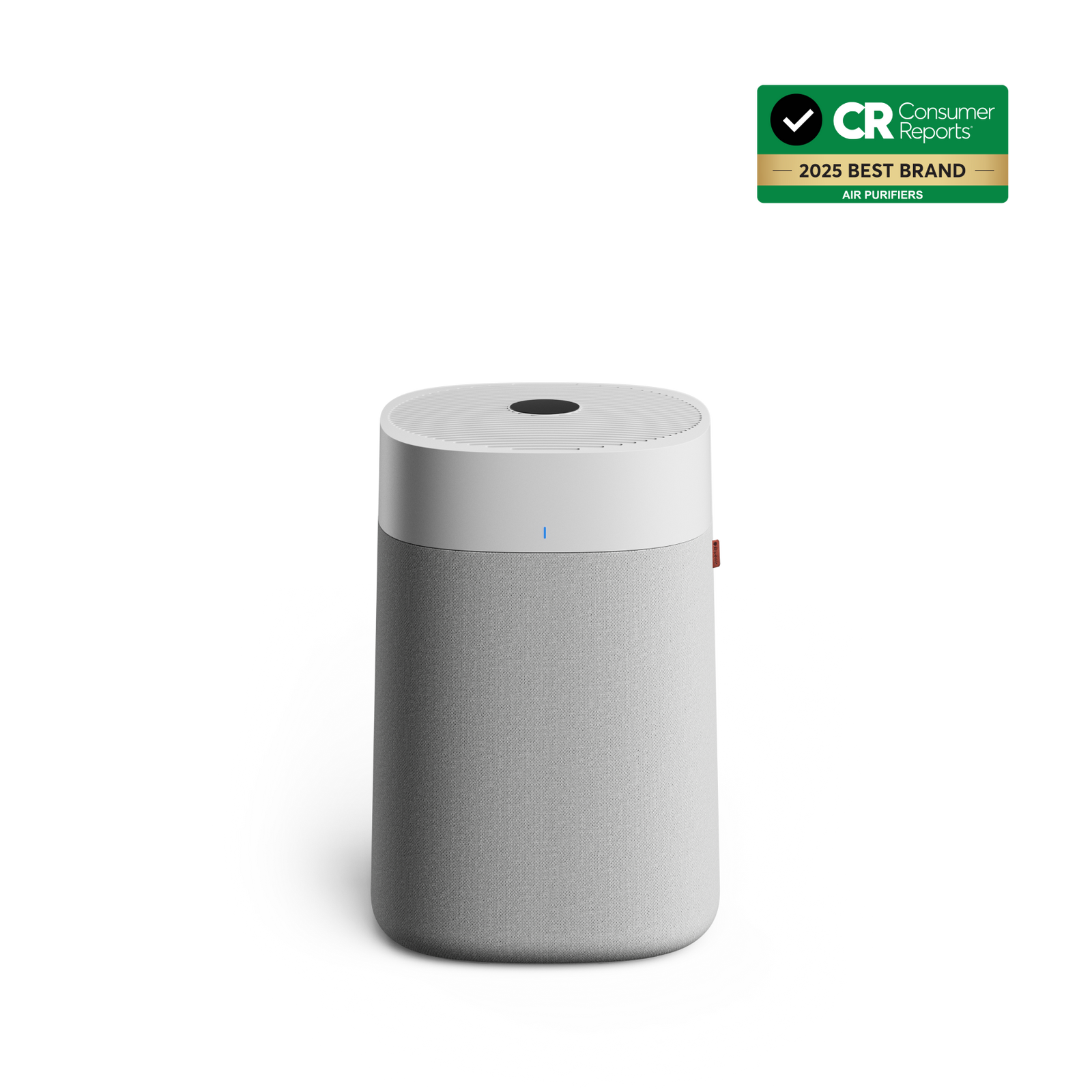
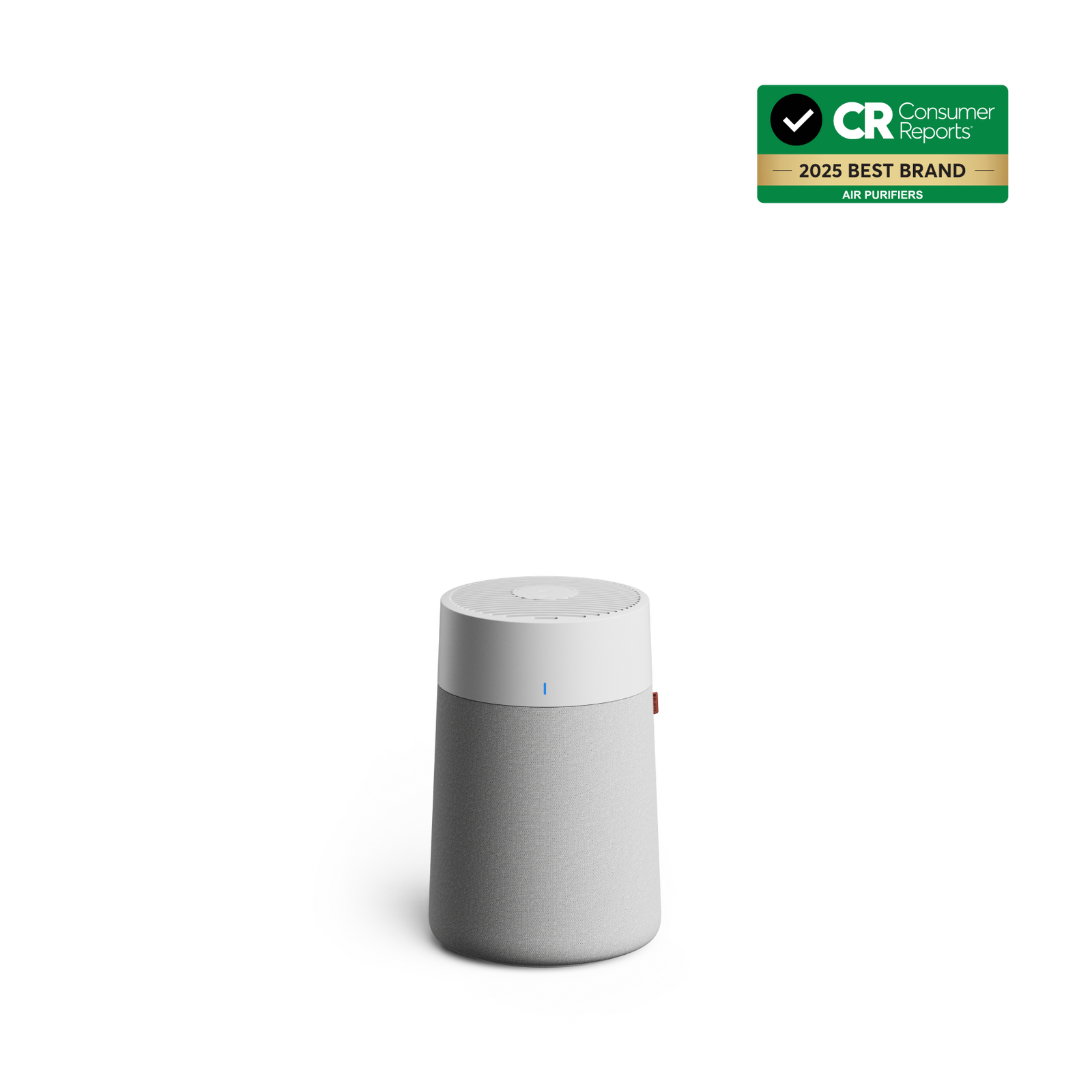
Consumer Reports has recommended multiple Blueair models, including the Blue Pure 211i Max for large rooms, the Blue Pure 311i Max for large spaces, and the Mini Restful for small rooms and sleep. Blueair was also named the best air purifier brand overall for 2025.
Which brand is best for air purifiers?
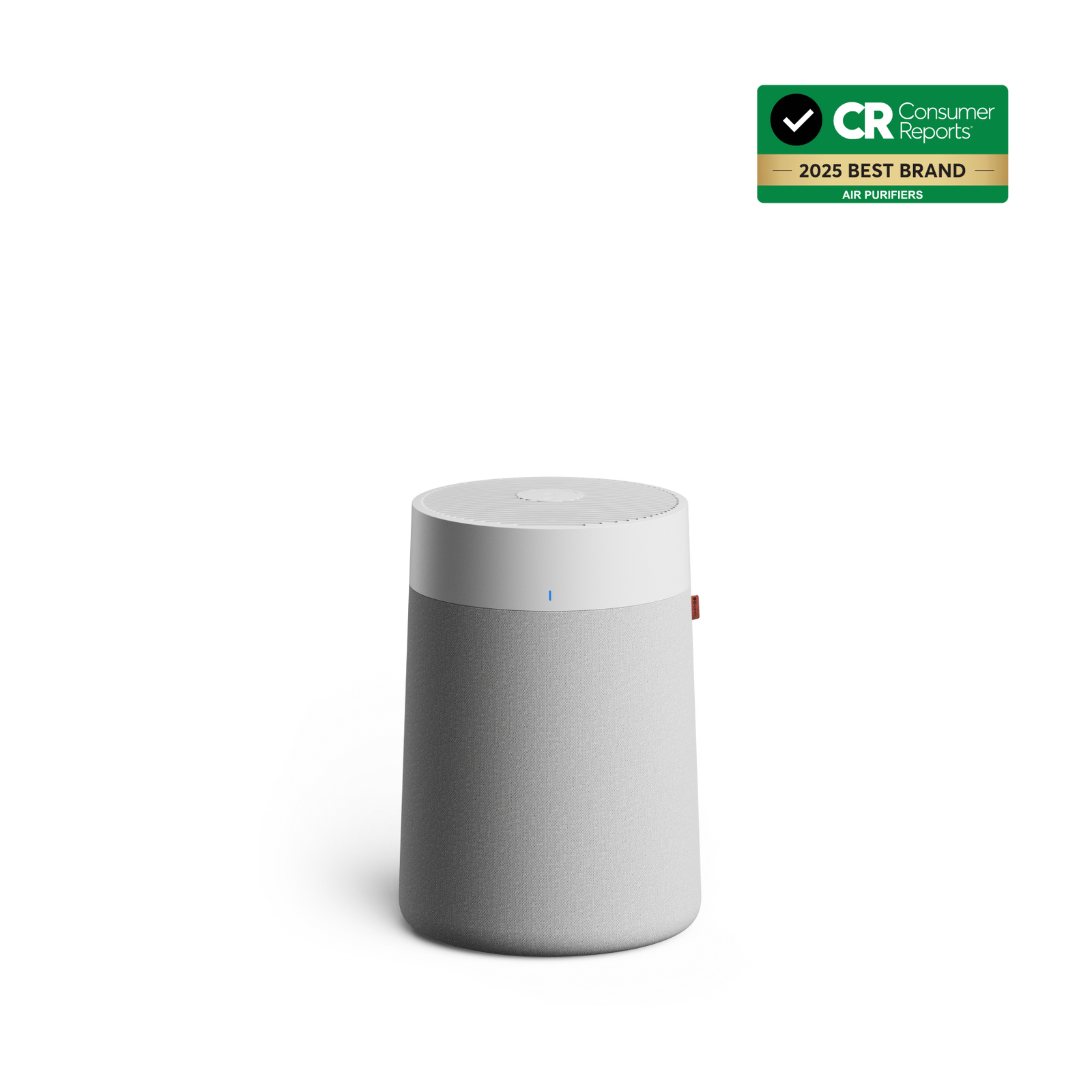
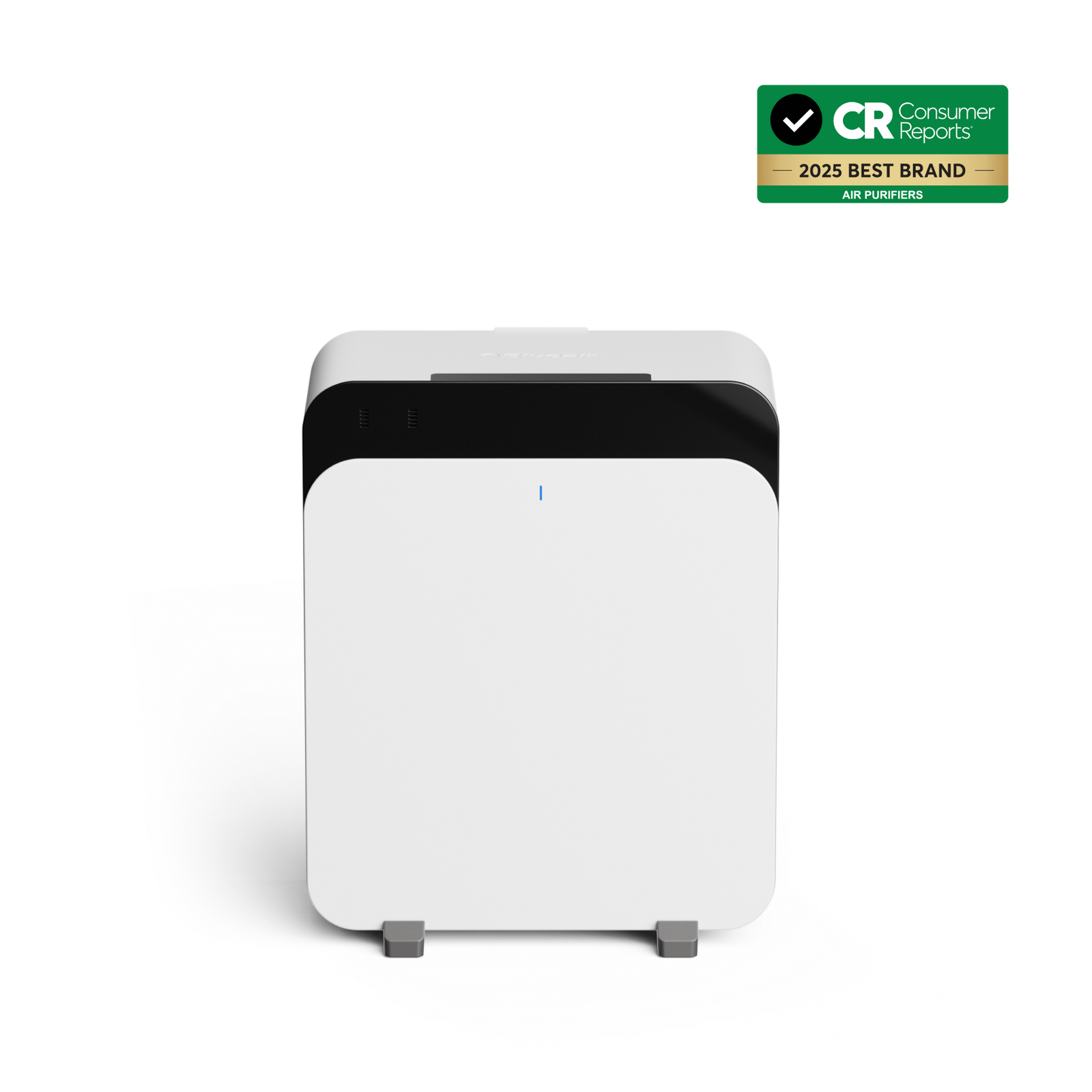
Consumer Reports awarded Blueair the title of best air purifier brand in 2025, based on performance across multiple models, owner satisfaction scores, and predicted reliability. Blueair has been building air purifiers in Sweden since 1996.
What is the #1 air purifier?
Consumer Reports has consistently ranked Blueair models among the top performers across room sizes. The Blue Pure 211i Max, Blue Pure 311i Max, and Blue Signature are among the top-rated options for large and extra-large rooms.
What is the most highly recommended air purifier?
Consumer Reports named Blueair the best air purifier brand of 2025 after independent lab testing. Several Blueair models received CR Recommended status, including the Blue Pure 211i Max for large rooms and the Mini Restful for small rooms and sleep use.
How do I choose a good air purifier?
Match the purifier to the room size first. Check the CADR rating — higher is better for faster filtration. For allergies, look for true HEPA or HEPASilent filtration. For odors and smoke, activated carbon filters help. If the bedroom is your priority, look for a model with a low noise rating on its lower settings. Blueair’s collection is organized by room size, which makes it easier to narrow down.